The average bedroom size in the United States is around 10 x 10 feet, or 100 square feet. However, this varies depending on factors like location, the type of house, and whether it’s a master bedroom or a standard bedroom. This article provides a comprehensive bedroom size guide, exploring standard bedroom dimensions, typical bedroom square footage, ideal bedroom size, minimum bedroom size and more.
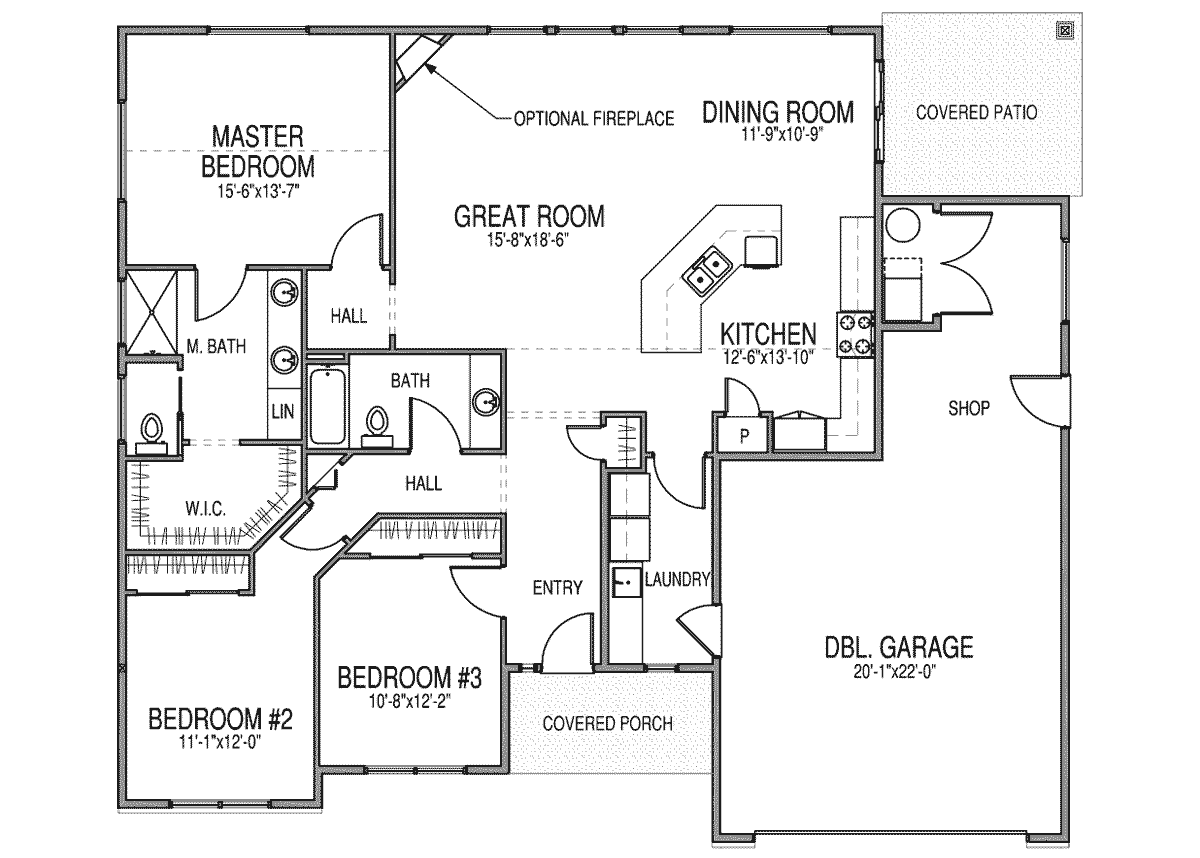
Image Source: www.newerahomes.com
Standard Bedroom Sizes: A General Overview
Deciphering bedroom sizes can seem tricky. There’s no one-size-fits-all answer, but generally, we can categorize bedroom sizes into a few key types:
- Small Bedroom: Usually less than 100 square feet.
- Average Bedroom: Ranges from 100 to 150 square feet.
- Master Bedroom: Typically 150 square feet or more.
These numbers are broad guidelines. Keep reading to dive into more specifics.
What Are the Typical Bedroom Dimensions?
Typical bedroom square footage depends on bedroom type. Here’s a more detailed breakdown of standard bedroom dimensions:
Average Bedroom Size
- Square Footage: 100-150 sq ft
- Dimensions: Common sizes are 10′ x 10′ (100 sq ft) to 12′ x 12′ (144 sq ft).
Master Bedroom Dimensions
- Square Footage: 150+ sq ft, often much larger.
- Dimensions: 14′ x 16′ (224 sq ft) is a common size for a comfortable master bedroom. Some master bedrooms can exceed 300 sq ft.
Small Bedroom Dimensions
- Square Footage: Less than 100 sq ft.
- Dimensions: 7′ x 10′ (70 sq ft) or 8′ x 10′ (80 sq ft)
It’s important to remember these are averages. Older homes might have smaller rooms, while newer constructions often boast larger bedroom spaces.
The Impact of Bedroom Sizes by Country
Bedroom sizes vary significantly across different countries due to building codes, cultural norms, and average house sizes. Here’s a brief look at bedroom sizes by country:
- United States: As mentioned earlier, the average bedroom size is around 100-150 sq ft. New constructions tend to have larger master bedrooms.
- United Kingdom: Bedrooms tend to be smaller than in the US. A typical single bedroom might be around 70-90 sq ft, while a double bedroom could be 100-130 sq ft.
- Japan: Due to high population density, rooms are generally smaller. A typical bedroom could be as small as 60-80 sq ft.
- Australia: Similar to the US, houses are generally larger, leading to bigger bedrooms. Average bedroom sizes are similar to the US.
- Europe (Continental): Sizes vary. In countries like France and Germany, bedroom sizes fall somewhere between the UK and US averages.
Understanding these differences can be helpful if you’re comparing international real estate or simply curious about global living standards.
Determining Your Ideal Bedroom Size
The ideal bedroom size isn’t just about square footage; it’s about how you plan to use the space. Consider these factors:
- Furniture: Do you need space for a king-size bed, a dresser, nightstands, a desk, and a seating area?
- Lifestyle: Do you use your bedroom primarily for sleeping, or do you also work, read, or exercise there?
- Storage: Do you have a large wardrobe or need extra closet space?
- Number of Occupants: Will the bedroom be shared?
For example, a single person who only needs space for a bed and a small dresser can manage with a smaller room. A couple who wants a seating area and ample storage will need a larger space.
Minimum Bedroom Size Requirements
Most building codes have minimum bedroom size requirements to ensure safety and livability. These regulations often specify:
- Minimum Square Footage: Often around 70 sq ft in the US.
- Minimum Ceiling Height: Typically around 7 feet.
- Egress Window: Required for safety in case of fire.
Always check your local building codes for specific requirements. These regulations are in place to guarantee a safe and habitable living space.
Room Layout Ideas Based on Bedroom Size
How you arrange your furniture can significantly impact how spacious a room feels. Here are some room layout ideas based on different bedroom sizes:
Small Bedroom Layouts (Under 100 sq ft)
- Prioritize a Bed: Choose a bed size that fits comfortably without overwhelming the room. A full-size bed might be a better choice than a queen.
- Vertical Storage: Utilize shelves and tall, narrow dressers to maximize vertical space.
- Wall-Mounted Nightstands: Save floor space by mounting nightstands to the wall.
- Mirrors: Strategically placed mirrors can create the illusion of more space.
- Keep it Minimalist: Avoid clutter and unnecessary furniture.
Average Bedroom Layouts (100-150 sq ft)
- Bed Placement: Experiment with different bed positions to find the most efficient layout. Consider placing the bed against the longest wall.
- Dresser Placement: Position the dresser opposite the bed or along another wall.
- Nightstands: Use matching nightstands on either side of the bed.
- Seating Area (Optional): If space allows, add a small chair or bench.
- Area Rug: Define the sleeping area with an area rug.
Master Bedroom Layouts (150+ sq ft)
- Bed as Focal Point: Position the bed as the focal point of the room.
- Seating Area: Create a comfortable seating area with chairs, a loveseat, and a coffee table.
- Dressing Area: If possible, incorporate a dressing area with a vanity and mirror.
- Walk-In Closet: A large master bedroom often includes a walk-in closet.
- En-Suite Bathroom: Many master bedrooms have an attached bathroom for added convenience.
How to Maximize Space in Any Bedroom Size
No matter the size of your bedroom, there are strategies you can use to make the most of the available space:
- Declutter Regularly: Get rid of items you no longer need or use.
- Use Multi-Functional Furniture: Choose furniture that serves multiple purposes, such as a bed with built-in storage or an ottoman with a lift-up top.
- Optimize Closet Space: Install closet organizers to maximize storage efficiency.
- Utilize Under-Bed Storage: Store items under the bed in storage containers.
- Hang Items on Walls: Use hooks and shelves to hang items like clothes, accessories, and decorations.
- Choose Light Colors: Light-colored walls and bedding can make a room feel more spacious.
- Proper Lighting: Use a combination of ambient, task, and accent lighting to create a warm and inviting atmosphere.
Utilizing a Bedroom Size Calculator
A bedroom size calculator can be a useful tool for planning your space. These calculators typically allow you to input the dimensions of your room and then estimate how much space will be left after adding furniture. You can find bedroom size calculators online for free. These can help you visualize how different furniture arrangements will work in your space before you start moving things around.
Common Layout Mistakes to Avoid
- Blocking Walkways: Make sure there’s enough space to move around the room without bumping into furniture.
- Overcrowding: Avoid filling the room with too much furniture.
- Ignoring Natural Light: Maximize natural light by keeping windows clear.
- Neglecting Vertical Space: Use shelves and tall furniture to utilize vertical space.
- Poor Lighting: Make sure the room is adequately lit with a combination of different types of lighting.
Fathoming the Relationship Between Bedroom Size and Home Value
Bedroom size can influence home value, though it’s not the only factor. Larger bedrooms, especially master bedrooms with en-suite bathrooms and walk-in closets, often increase a home’s appeal and market value. However, location, overall house size, condition, and amenities also play significant roles.
Frequently Asked Questions (FAQ)
-
What is the minimum legal size for a bedroom?
The minimum legal size for a bedroom varies by location, but it’s often around 70 square feet with a minimum ceiling height of 7 feet.
* Can I fit a king-size bed in an average-sized bedroom?It depends on the exact dimensions of the room. A king-size bed requires a good amount of space. If your bedroom is around 100-150 sq ft, it might feel cramped.
* What is considered a small bedroom?A small bedroom is generally considered to be less than 100 square feet.
* Is a bigger bedroom always better?Not necessarily. A larger bedroom can be great, but it’s more important to have a functional and comfortable space that meets your needs.
* How can I make a small bedroom feel bigger?Use light colors, mirrors, vertical storage, and multi-functional furniture to maximize space. Avoid clutter.
* What is the ideal size for a master bedroom?The ideal size for a master bedroom depends on your needs and preferences. A common size is 14′ x 16′ (224 sq ft), but some people prefer even larger spaces.
* Does bedroom size affect rental prices?Yes, generally speaking, larger bedrooms can command higher rental prices.
* How important is closet space when considering bedroom size?Closet space is very important. Ample closet space can compensate for a smaller bedroom.
* What are standard closet dimensions I should consider when factoring bedroom space?When planning your closet, remember that a standard depth of 24 inches is your baseline, while width unfurls dynamically, usually spanning 3 to 4 feet for a single-door setup.
Use a measuring tape to measure the length and width of the room in feet. Multiply these numbers to get the square footage.

Hi, I’m Florence Disha, the creator behind HomesMend.com. With a passion for making every house a home, I share my personal experiences, tips, and expertise to help you transform your living spaces. Whether it’s practical advice, creative ideas, or tried-and-true solutions, my goal is to inspire and guide you in creating a home that feels just right. Let’s make every corner of your space truly yours!