A medium master bedroom generally falls within the range of 224 to 360 square feet. This blog post will dive deep into the specifics of master bedroom sizes, offering a comprehensive guide to help you determine the ideal square footage for your needs and lifestyle.
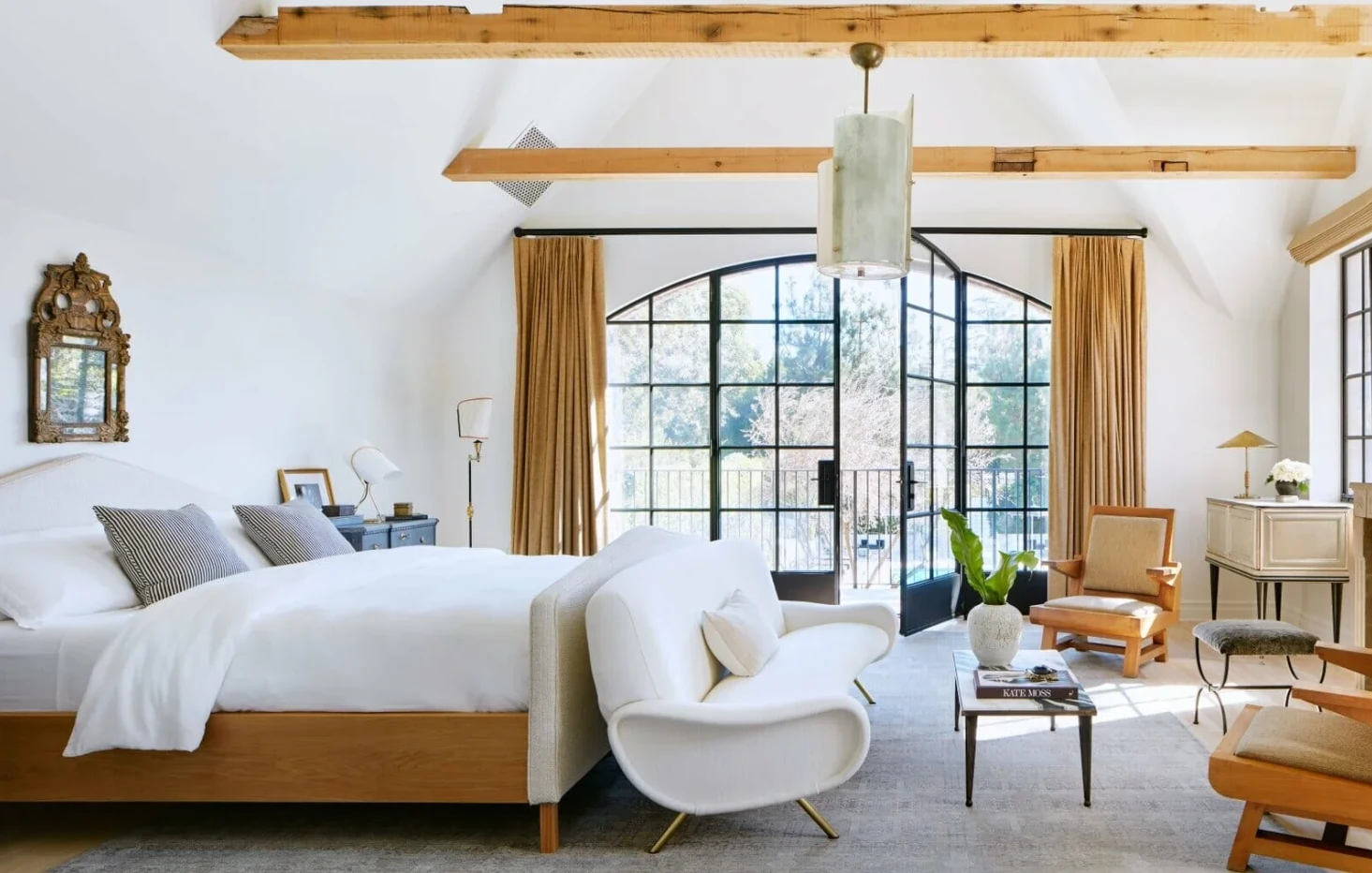
Image Source: foyr.com
Defining Master Bedroom Size
What is a medium master bedroom, and how does it differ from other sizes? Let’s explore the nuances and find the perfect fit for you.
Decoding Master Bedroom Square Footage
The average master bedroom size can vary widely depending on location, house size, and personal preferences. However, we can break it down into general categories:
- Small Master Bedroom: Typically under 224 square feet. These are often found in apartments or smaller homes.
- Medium Master Bedroom: Ranging from 224 to 360 square feet. This size provides a balance of space and functionality.
- Large Master Bedroom: Exceeding 360 square feet. These expansive rooms offer ample space for various features and furniture arrangements.
The Importance of Room Dimensions
The typical master bedroom dimensions aren’t just about square footage; the shape of the room also plays a crucial role. A rectangular room will feel different from a square one, even if they have the same square footage. Consider the following aspects:
- Length and Width: A room that is long and narrow might limit furniture placement options compared to a wider, more square-shaped room.
- Ceiling Height: Higher ceilings can make a room feel more spacious, while lower ceilings might make it feel cozier, but potentially smaller.
- Window Placement: Windows affect natural light and can influence the best layout for your furniture.
Fathoming Medium Sized Master Bedroom Area
The medium sized master bedroom area is often seen as the sweet spot. It offers enough space for a comfortable sleeping area, a small seating area, and adequate storage without feeling overwhelming.
Why Choose a Medium-Sized Master Bedroom?
Choosing a medium sized master bedroom area offers several benefits:
- Cost-Effective: Generally less expensive to build, heat, and cool compared to larger rooms.
- Functional: Provides enough space for essential furniture and activities without excess.
- Cozy: Can feel more intimate and comfortable compared to a very large, open space.
- Easier to Decorate: Requires less furniture and fewer design elements to fill the space effectively.
What Can Fit in a Medium Master Bedroom?
Let’s break down what you can realistically fit into a 224-360 sq ft master bedroom:
- King or Queen Size Bed: The focal point of any master bedroom.
- Two Nightstands: Essential for lamps, books, and personal items.
- Dresser: Provides storage for clothing and accessories.
- Small Seating Area: A comfortable chair or loveseat for reading or relaxing.
- Walk-in Closet (Small): Potentially, depending on the room’s layout and closet design.
- Television: Mounted on the wall or placed on a dresser.
Gauging Master Bedroom Square Footage
A master bedroom square footage guide can be invaluable when planning a remodel, building a new home, or simply redecorating.
Determining Your Ideal Square Footage
Several factors can influence your ideal master bedroom size:
- Lifestyle: How do you plan to use the space? Do you need room for a home office, a workout area, or a large seating area?
- Furniture: Consider the size of your existing furniture and any new pieces you plan to purchase.
- Storage Needs: Assess your clothing and accessory collection to determine the amount of closet and dresser space you require.
- Budget: Larger rooms cost more to build and furnish.
- Personal Preferences: Some people prefer a cozy, intimate space, while others prefer a more open and spacious feel.
Master Bedroom Size Chart
This master bedroom size chart provides a quick reference for different room sizes and their suitability for various needs:
| Size Category | Square Footage | Typical Features | Ideal For |
|---|---|---|---|
| Small Master Bedroom | Under 224 sq ft | Bed, one nightstand, small dresser, limited space for anything else. | Singles, couples who prioritize function over space, small apartments or homes. |
| Medium Master Bedroom | 224-360 sq ft | Bed, two nightstands, dresser, small seating area, potential for a small walk-in closet. | Couples, individuals who want a comfortable and functional space without excessive room. |
| Large Master Bedroom | Over 360 sq ft | Bed, two nightstands, large dresser, spacious seating area, walk-in closet, en-suite bathroom. | Couples or individuals who desire ample space, luxury, and features like a home office or workout area. |
Defining Standard Master Bedroom Size
What is the standard master bedroom size? While there’s no universal standard, a medium-sized master bedroom is often considered a comfortable and practical choice for many homeowners.
Factors Affecting Standard Size
Several factors influence the standard master bedroom size in a particular area:
- Location: Homes in urban areas tend to have smaller master bedrooms than those in suburban or rural areas due to land costs and housing density.
- Type of Home: Apartments typically have smaller master bedrooms than single-family homes.
- Construction Costs: The cost of building materials and labor can influence the size of the master bedroom.
- Market Demand: What buyers are looking for in a master bedroom can influence the sizes that builders construct.
Minimum Size Considerations
When planning your master bedroom, it’s essential to consider minimum size requirements to ensure functionality and comfort.
- Minimum Width: A minimum width of 12 feet is generally recommended to accommodate a queen-size bed and allow for adequate walking space.
- Minimum Length: A minimum length of 14 feet is recommended to accommodate a bed, nightstands, and a dresser.
- Door Clearance: Ensure that doors can open and close without obstruction.
- Walking Space: Allow at least 3 feet of walking space around the bed and other furniture.
Achieving Comfortable Master Bedroom Dimensions
What constitutes comfortable master bedroom dimensions? It’s about creating a space that feels both functional and inviting.
Maximizing Comfort in Your Master Bedroom
Here are some tips for maximizing comfort in your master bedroom:
- Layout: Plan your furniture layout carefully to ensure ample walking space and easy access to all areas of the room.
- Lighting: Use a combination of natural and artificial lighting to create a warm and inviting atmosphere.
- Color Palette: Choose a color palette that is calming and relaxing.
- Textiles: Use soft and comfortable textiles, such as bedding, curtains, and rugs, to add warmth and texture.
- Personal Touches: Add personal touches, such as artwork, photos, and decorative items, to make the room feel like your own.
Ergonomics and Space Planning
Ergonomics plays a crucial role in creating a comfortable and functional master bedroom.
- Bed Height: Choose a bed height that allows you to easily get in and out of bed.
- Nightstand Height: Select nightstands that are level with the top of your mattress for easy access to items.
- Dresser Height: Choose a dresser height that is comfortable for you to reach the drawers.
- Walking Paths: Ensure that walking paths are clear and unobstructed to prevent accidents.
Determining Ideal Master Bedroom Size
Pinpointing the ideal master bedroom size involves more than just square footage; it requires a holistic approach.
Blending Functionality and Aesthetics
The ideal master bedroom size successfully merges practicality and visual appeal.
- Storage Solutions: Incorporate smart storage solutions to maximize space and keep the room organized.
- Multifunctional Furniture: Consider using multifunctional furniture, such as a bed with built-in storage or a desk that can be used as a vanity.
- Vertical Space: Utilize vertical space by adding shelves, tall dressers, or wall-mounted storage units.
- Mirror Placement: Strategically place mirrors to create the illusion of more space.
Considering En-Suite Bathrooms and Walk-In Closets
Don’t forget the impact of en-suite bathrooms and walk-in closets.
- En-Suite Bathrooms: If your master bedroom includes an en-suite bathroom, consider the size and layout of the bathroom when determining the overall square footage of the master suite.
- Walk-In Closets: A walk-in closet can significantly impact the functionality and comfort of your master bedroom. Consider the size and layout of the closet when planning your space.
Interpreting a Master Bedroom Size Chart
A master bedroom size chart is a helpful resource, but it’s crucial to interpret it correctly.
How to Use a Size Chart Effectively
To use a master bedroom size chart effectively:
- Assess Your Needs: Determine your lifestyle, furniture requirements, and storage needs.
- Consider Your Budget: Determine how much you are willing to spend on building or furnishing your master bedroom.
- Factor in Location and Home Type: Consider the typical master bedroom sizes in your area and the type of home you have.
- Use the Chart as a Guide: Use the size chart as a starting point, but be prepared to adjust based on your specific circumstances.
- Consult with Professionals: If you are unsure, consult with an architect, interior designer, or real estate agent.
Beyond the Numbers: Personalizing Your Space
While square footage is a crucial consideration, don’t overlook the importance of personalization.
- Reflect Your Style: Decorate your master bedroom in a way that reflects your personal style and preferences.
- Create a Relaxing Atmosphere: Design a space that promotes relaxation and restful sleep.
- Incorporate Personal Touches: Add personal touches, such as artwork, photos, and decorative items, to make the room feel like your own.
Addressing “What is a Medium Master Bedroom?”
What is a medium master bedroom? It’s a versatile space, typically between 224 and 360 square feet, providing a balance between space and coziness.
The Balance of Space and Intimacy
A medium-sized master bedroom offers the perfect balance of space and intimacy, allowing you to create a comfortable and functional retreat.
- Avoid Overcrowding: Choose furniture that is appropriately sized for the room to avoid overcrowding.
- Create Zones: Create distinct zones for sleeping, relaxing, and getting dressed.
- Use Color Strategically: Use color to define different zones and create a cohesive look.
- Incorporate Natural Light: Maximize natural light to make the room feel more open and inviting.
Making the Most of Your Medium-Sized Master Bedroom
Maximize space with the right design choices.
- Maximize Vertical Space: Utilize vertical space with tall dressers, shelves, or wall-mounted storage units.
- Choose Multifunctional Furniture: Select furniture that serves multiple purposes, such as a bed with built-in storage.
- Keep it Organized: Maintain a clean and organized space to maximize functionality and comfort.
- Personalize Your Decor: Decorate the room in a way that reflects your personal style and preferences.
Optimizing Square Footage for a Master Bedroom
Getting the most out of your square footage for a master bedroom involves smart planning and design.
Practical Tips for Efficient Space Use
Maximize your square footage for a master bedroom with these strategies:
- Measure Carefully: Measure your space accurately before purchasing furniture.
- Create a Floor Plan: Develop a floor plan to visualize the placement of furniture.
- Choose the Right Furniture: Select furniture that is appropriately sized for the room and meets your needs.
- Eliminate Clutter: Declutter regularly to keep the space organized and functional.
Professional Assistance for Design and Layout
Don’t hesitate to bring in experts.
- Interior Designers: Interior designers can help you create a functional and aesthetically pleasing master bedroom layout.
- Architects: Architects can help you design a master bedroom that meets your specific needs and preferences.
- Contractors: Contractors can help you build or remodel your master bedroom.
Frequently Asked Questions (FAQ)
- What is the smallest acceptable size for a master bedroom? The smallest acceptable size is generally around 10 feet by 12 feet (120 square feet), but this might feel cramped.
- Can I fit a king-size bed in a medium master bedroom? Yes, a king-size bed can fit in a medium master bedroom, but you’ll need to plan your layout carefully to ensure adequate walking space.
- How important is closet space in a master bedroom? Closet space is crucial for organization and functionality. Consider your storage needs when planning your master bedroom size.
- What is the best shape for a master bedroom? A rectangular or square shape is generally preferred, as it provides more flexibility in furniture placement.
- How can I make a small master bedroom feel larger? Use light colors, mirrors, and minimalist furniture to make a small master bedroom feel larger.
To craft your perfect sleep sanctuary, thoughtfully assess your personal requirements, daily rhythms, and financial boundaries. This deliberate approach will reveal the ideal dimensions for your master suite, ensuring a space that’s both wonderfully comfortable and effortlessly practical, a haven you’ll cherish for all the years ahead.

Hi, I’m Florence Disha, the creator behind HomesMend.com. With a passion for making every house a home, I share my personal experiences, tips, and expertise to help you transform your living spaces. Whether it’s practical advice, creative ideas, or tried-and-true solutions, my goal is to inspire and guide you in creating a home that feels just right. Let’s make every corner of your space truly yours!