What is a normal bedroom size? A normal bedroom size varies depending on location, housing type, and building codes, but generally falls between 100 and 200 square feet. This article explores the various factors influencing bedroom sizes, provides a detailed size guide, and offers design tips to maximize space.
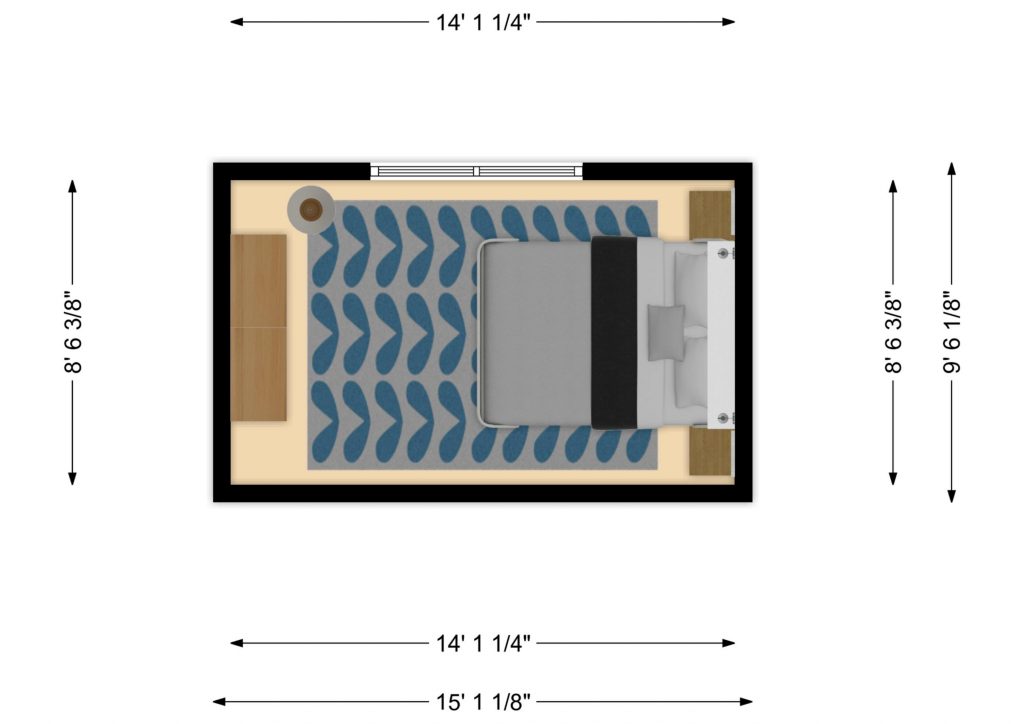
Image Source: design-tips.floorplanner.com
Fathoming Bedroom Sizes: An Overview
Bedrooms are personal sanctuaries within a home. Their size affects comfort, functionality, and overall livability. This comprehensive guide explores typical bedroom size, helping you understand the factors that influence bedroom dimensions and providing design tips to optimize even the smallest spaces.
The Significance of Bedroom Dimensions
The size of a bedroom impacts many things, from how you arrange furniture to how comfortable you feel in the space. Larger bedrooms offer more flexibility in design and can accommodate additional features like seating areas or workspaces. Smaller bedrooms require clever storage solutions and a minimalist approach to decor.
Factors Influencing Bedroom Size
Several factors play a role in determining the size of a bedroom:
- Location: Urban areas often have smaller bedrooms due to limited space and higher housing costs. Rural areas tend to have larger homes and, consequently, larger bedrooms.
- Housing Type: Apartments typically have smaller bedrooms compared to single-family homes. Condos and townhouses fall somewhere in between.
- Building Codes: Local building codes often dictate the minimum bedroom size allowed for a room to be legally considered a bedroom. These codes usually specify a minimum square footage and window requirements for safety and ventilation.
- House Style: The architectural style of a house can influence bedroom sizes. For example, older homes may have smaller, more numerous rooms, while modern homes often feature larger, open-concept layouts.
- Number of Bedrooms: Houses with more bedrooms may have smaller individual bedrooms to accommodate the extra rooms within the overall footprint of the house.
Delving Into Typical Bedroom Sizes
Exploring what constitutes typical bedroom size helps set expectations and guide design choices. The following sections cover common bedroom sizes and offer a practical bedroom size guide.
Minimum Bedroom Size
Building codes often specify a minimum bedroom size to ensure adequate living space. In the United States, the minimum size is typically 70 square feet, with at least 7 feet in any horizontal direction. This allows for basic furniture like a twin bed and a small dresser.
Standard Bedroom Square Footage
The standard bedroom square footage typically ranges from 100 to 150 square feet. This provides enough room for a full-size or queen-size bed, a dresser, and a nightstand.
Average Bedroom Dimensions
The average bedroom dimensions usually fall within 10 feet by 10 feet (100 square feet) to 12 feet by 12 feet (144 square feet). These sizes allow for comfortable movement and furniture arrangement.
Master Bedroom Size
The master bedroom size is generally larger than other bedrooms in a house, often ranging from 150 to 300 square feet or more. This allows for a king-size bed, additional furniture like chairs or a sofa, and sometimes a walk-in closet and en-suite bathroom.
| Bedroom Type | Typical Square Footage | Dimensions (Approximate) | Common Bed Sizes |
|---|---|---|---|
| Minimum Bedroom | 70-100 sq ft | 7×10 ft to 10×10 ft | Twin |
| Standard Bedroom | 100-150 sq ft | 10×10 ft to 10×15 ft | Full, Queen |
| Average Bedroom | 120-144 sq ft | 10×12 ft to 12×12 ft | Queen |
| Master Bedroom | 150-300+ sq ft | 12×15 ft to 15×20 ft+ | King |
| Small Bedroom | Under 100 sq ft | Varies | Twin, Full |
Small Bedroom Size
A small bedroom size is generally anything under 100 square feet. These spaces require smart design solutions to maximize functionality and avoid feeling cramped.
Designing for Different Bedroom Sizes
Once you know the average bedroom dimensions or the size of your own bedroom, the next step is to design the space effectively. Here are some tips for different bedroom sizes:
Maximizing Space in a Small Bedroom
- Choose Multi-Functional Furniture: Opt for beds with built-in storage drawers, nightstands with shelves, and desks that can be folded away when not in use.
- Use Vertical Space: Install shelves that reach the ceiling to store books, decor, and other items.
- Wall-Mounted Lighting: Use sconces or wall-mounted lamps to save space on nightstands.
- Mirrors: Strategically placed mirrors can create the illusion of a larger space by reflecting light and adding depth.
- Light Colors: Paint the walls and ceiling in light, neutral colors to make the room feel brighter and more open.
- Minimalist Decor: Avoid clutter by keeping decorations to a minimum. Choose a few key pieces that add personality without overwhelming the space.
Designing a Standard or Average-Sized Bedroom
- Furniture Placement: Arrange furniture to create a comfortable flow of movement around the room. Avoid blocking windows or doorways.
- Storage Solutions: Use a combination of drawers, shelves, and closets to keep items organized and out of sight.
- Accent Colors: Add pops of color with bedding, curtains, and accessories to create visual interest.
- Area Rugs: Define different areas of the room with area rugs. A rug under the bed can anchor the space and add warmth.
- Personal Touches: Incorporate personal items like photos, artwork, and souvenirs to make the room feel like your own.
Creating a Luxurious Master Bedroom
- Seating Area: Add a comfortable chair or sofa to create a relaxing seating area for reading or watching TV.
- Walk-In Closet: If space allows, a walk-in closet provides ample storage and organization.
- En-Suite Bathroom: An en-suite bathroom adds privacy and convenience.
- High-Quality Bedding: Invest in high-quality bedding to create a luxurious and comfortable sleeping experience.
- Statement Lighting: Use a chandelier or pendant lights to add elegance and drama to the room.
- Window Treatments: Choose window treatments that provide privacy and light control, such as blackout curtains or blinds.
Using a Bedroom Area Calculator
A bedroom area calculator can help you quickly determine the square footage of a room. Simply measure the length and width of the room in feet, and then multiply those two numbers together.
Example: A bedroom that is 10 feet long and 12 feet wide has an area of 120 square feet (10 x 12 = 120).
Decorating Tips Based on Bedroom Size
Here are some specific decorating tips based on different bedroom sizes:
Decorating a Small Bedroom
- Floating Shelves: Install floating shelves to save floor space and provide storage for books, decor, and other items.
- Foldable Desk: A foldable desk can be stored away when not in use, freeing up valuable floor space.
- Ottoman with Storage: An ottoman with built-in storage provides a place to sit and extra storage for blankets or pillows.
- Vertical Mirror: A tall, vertical mirror can create the illusion of a higher ceiling and a larger space.
- Neutral Palette: Stick to a neutral color palette to make the room feel more open and airy.
Decorating a Standard Bedroom
- Bed Placement: Position the bed against the longest wall to create a focal point.
- Nightstands: Place nightstands on either side of the bed for lamps, books, and other essentials.
- Dresser: A dresser provides storage for clothing and accessories. Choose a dresser that fits the size of the room.
- Accent Wall: Create an accent wall with paint, wallpaper, or artwork to add visual interest.
- Window Treatments: Choose window treatments that complement the decor and provide privacy and light control.
Decorating a Master Bedroom
- Statement Bed: Invest in a statement bed with a headboard that reflects your personal style.
- Seating Area: Create a comfortable seating area with chairs, a sofa, and a coffee table.
- Walk-In Closet Organization: Maximize storage in a walk-in closet with shelves, drawers, and hanging rods.
- En-Suite Bathroom Design: Design an en-suite bathroom that complements the master bedroom’s decor.
- Luxurious Touches: Add luxurious touches like high-quality bedding, plush towels, and scented candles.
Adapting Bedroom Size to Your Needs
The typical bedroom size might not always align with your personal needs and preferences. It is essential to assess your lifestyle and requirements when choosing or designing a bedroom.
Considerations for Individuals
- Single Person: A single person might find a standard bedroom sufficient, with ample space for a bed, dresser, and desk.
- Couple: A couple typically requires a larger bedroom, such as a master bedroom, to accommodate a king-size bed and additional furniture.
- Children: Children’s bedrooms should be functional and adaptable, with space for play, study, and storage.
Considerations for Special Needs
- Accessibility: Ensure that the bedroom is accessible for individuals with mobility issues, with wide doorways and clear pathways.
- Storage: Provide ample storage for medical equipment or other special needs items.
- Safety: Consider safety features like grab bars or non-slip flooring in the en-suite bathroom.
Frequently Asked Questions (FAQ)
Q: What is the minimum bedroom size required by law?
A: The minimum bedroom size is typically 70 square feet, with at least 7 feet in any horizontal direction, according to most US building codes. Always check local building codes for specific requirements in your area.
Q: What is considered a small bedroom size?
A: A small bedroom size is generally considered to be anything under 100 square feet.
Q: What is the average bedroom dimensions for a standard bedroom?
A: The average bedroom dimensions for a standard bedroom typically range from 10 feet by 10 feet (100 square feet) to 12 feet by 12 feet (144 square feet).
Q: How does master bedroom size differ from other bedrooms?
A: The master bedroom size is generally larger, ranging from 150 to 300 square feet or more, allowing for a king-size bed, additional furniture, and often a walk-in closet and en-suite bathroom.
Q: Can I make a small room appear larger?
A: Yes, using light colors, mirrors, vertical storage, and multi-functional furniture can make a small room appear larger.
Q: What are some tips for maximizing space in a small bedroom?
A: Choose multi-functional furniture, use vertical space, install wall-mounted lighting, use mirrors, and keep decor to a minimum.
Q: How can I use a bedroom area calculator?
A: Measure the length and width of the room in feet, then multiply those two numbers together to get the square footage.
Conclusion
Knowing the average bedroom dimensions and the factors that influence bedroom size allows you to create a comfortable and functional space. Whether you have a small bedroom, a standard bedroom, or a luxurious master suite, understanding these concepts will help you make informed decisions about furniture, layout, and decor. By using the tips and guidelines in this article, you can transform any bedroom into a relaxing and inviting sanctuary.

Hi, I’m Florence Disha, the creator behind HomesMend.com. With a passion for making every house a home, I share my personal experiences, tips, and expertise to help you transform your living spaces. Whether it’s practical advice, creative ideas, or tried-and-true solutions, my goal is to inspire and guide you in creating a home that feels just right. Let’s make every corner of your space truly yours!