How long does painting a bedroom take? Painting a bedroom can take anywhere from 4 to 16 hours, depending on several factors like the size of the room, the condition of the walls, and your painting experience. This blog post will break down the factors that influence the bedroom painting time, provide a realistic bedroom painting project timeline, and give you efficient bedroom painting tips to speed up the process.
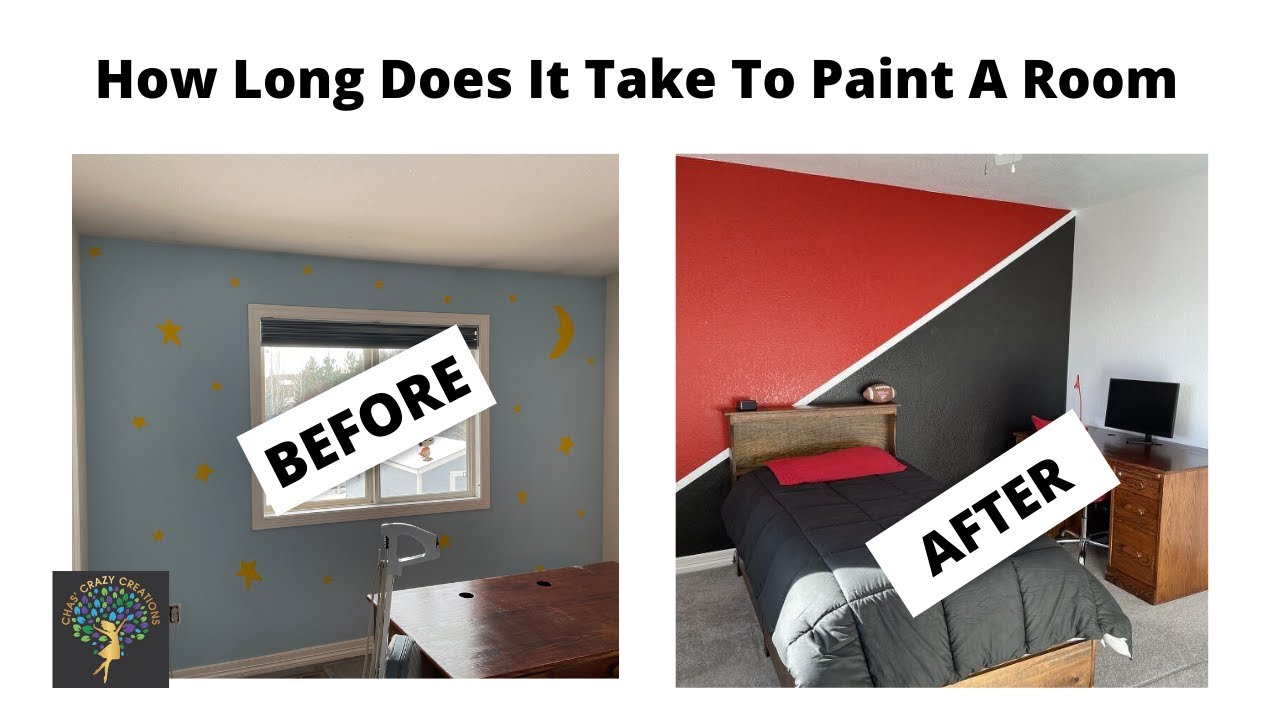
Image Source: i.ytimg.com
Deconstructing Bedroom Painting Time
The painting room duration isn’t a fixed number. It varies based on circumstances. Let’s explore the elements that affect the average time to paint bedroom.
Size Matters: Room Dimensions and Painting Duration
The square footage of your bedroom directly impacts the bedroom painting time. A small guest bedroom will naturally take less time than a master suite. More wall space equals more painting. Consider these estimations:
- Small Bedroom (10×10 ft): 4-8 hours.
- Medium Bedroom (12×12 ft): 6-12 hours.
- Large Bedroom (14×16 ft or larger): 8-16 hours.
These estimations assume a standard ceiling height (8-9 feet) and include prep work, one or two coats of paint, and cleanup.
Wall Woes: Condition of Walls and Preparation
The state of your walls significantly affects the painting schedule. Walls with imperfections require extra attention.
- Clean, Smooth Walls: Minimal prep time.
- Minor Imperfections (small nail holes, light scratches): Moderate prep time (filling holes, light sanding).
- Major Damage (large holes, cracks, peeling paint): Significant prep time (repairing damage, sanding, priming).
Preparation tasks include:
- Cleaning: Removing dust, dirt, and grime.
- Filling: Patching holes and cracks with spackle or joint compound.
- Sanding: Smoothing out imperfections and creating a good surface for paint adhesion.
- Priming: Applying a primer to improve paint adhesion, cover stains, and create a uniform surface.
Painter’s Prowess: Skill Level and Speed
Your experience as a painter plays a crucial role in the speed of painting a bedroom. An experienced painter will be more efficient and produce a better result in less time.
- Beginner: May take longer due to inexperience with techniques and tools.
- Intermediate: Has some experience and can work more efficiently.
- Experienced: Can complete the job quickly and with high-quality results.
Coat Count: Painting Bedroom One Coat vs Two
The number of coats of paint you apply significantly affects the overall painting room duration.
- One Coat: Suitable only if you are painting a similar color over a well-primed surface or using a high-quality paint with excellent coverage. This significantly reduces the painting duration.
- Two Coats: Recommended for most situations. Two coats provide better color saturation, durability, and coverage of imperfections. This will increase the overall painting room duration.
Color Considerations: Switching Shades
Drastically changing the color of your walls will impact the time required.
- Similar Color: Requires less preparation and potentially only one coat of paint.
- Dark to Light: Requires multiple coats of primer and paint to achieve full coverage, significantly increasing the bedroom painting time.
Crafting a Realistic Bedroom Painting Project Timeline
Here’s a sample bedroom painting project timeline for a medium-sized bedroom (12×12 ft) with average wall conditions, assuming two coats of paint:
| Task | Estimated Time |
|---|---|
| Day 1: Preparation | |
| Protecting the Room | 1 hour |
| Cleaning Walls | 1 hour |
| Repairing Imperfections | 1-2 hours |
| Priming (if necessary) | 2-3 hours |
| Day 2: Painting | |
| First Coat | 3-4 hours |
| Drying Time | 2-4 hours |
| Second Coat | 3-4 hours |
| Day 3: Finishing | |
| Touch-ups/Corrections | 1 hour |
| Cleaning and Storing Supplies | 1 hour |
| Total Time | 15-21 hours |
This is an estimate. The actual bedroom painting time can vary based on the factors discussed earlier.
Efficient Bedroom Painting Tips: Speeding Up the Process
Want to reduce the painting room duration? Here are some efficient bedroom painting tips:
- Invest in Quality Tools: High-quality brushes, rollers, and paint trays will make the job easier and faster.
- Proper Preparation: Spend time on thorough preparation. A well-prepared surface will require less paint and fewer coats.
- Use Painter’s Tape: Protect trim, windows, and doors with painter’s tape for clean lines and faster painting.
- Cut In Strategically: “Cutting in” (painting the edges of the walls with a brush) can be time-consuming. Practice your technique for faster, cleaner lines.
- Roll Efficiently: Use a consistent “W” pattern when rolling to ensure even coverage. Avoid overworking the paint.
- Choose the Right Paint: Select a high-quality paint with good coverage. This can reduce the need for multiple coats.
- Ventilate the Room: Proper ventilation helps the paint dry faster, allowing you to apply the second coat sooner.
- Enlist Help: If possible, get a friend or family member to help with the painting. This can significantly reduce the overall bedroom painting time.
- Listen to Music or Podcasts: Make the process more enjoyable and keep yourself motivated.
- Take Breaks: Avoid burnout by taking short breaks to stretch and relax.
Factors Affecting Bedroom Painting Time: A Detailed Look
Let’s delve deeper into the key factors influencing the bedroom painting time:
1. Preparation Work: The Foundation for a Faster Finish
Proper preparation is the cornerstone of efficient bedroom painting. Rushing this stage will likely lead to more time spent on corrections and touch-ups later.
- Cleaning: Use a damp cloth or sponge with mild detergent to remove dirt, dust, and grease. For stubborn stains, use a specialized cleaner.
- Repairing: Fill nail holes and small cracks with spackle or joint compound. For larger cracks, use patching plaster. Sand smooth after drying.
- Sanding: Sanding creates a smooth surface for better paint adhesion. Use a fine-grit sandpaper (120-180 grit) for general sanding and a coarser grit (80-100 grit) for removing old paint or rough textures.
- Priming: Priming is essential for:
- Covering stains (water stains, smoke damage).
- Sealing porous surfaces (new drywall).
- Improving paint adhesion.
- Creating a uniform surface for better color coverage.
Choose the right primer for your specific needs. Oil-based primers are good for stain blocking, while latex primers are better for general use.
2. Paint Quality and Coverage: Choosing Wisely
The quality of your paint directly impacts the bedroom painting time.
- High-Quality Paint: Offers better coverage, durability, and color retention. It may cost more upfront, but you’ll likely need fewer coats, saving you time and money in the long run.
- Low-Quality Paint: May require multiple coats to achieve adequate coverage. It may also be less durable and prone to chipping or fading.
Consider the paint’s “hide” or coverage ability. Look for paints that are specifically designed to cover dark colors or stains.
3. Color Choice and Changes: Navigating Shades
The color you choose and how drastically it differs from the existing color will influence the number of coats required.
- Similar Colors: Painting a similar color over an existing one is the easiest and fastest option. You may only need one coat, especially if the walls are in good condition.
- Light to Dark: Painting a lighter color over a darker one requires more preparation and potentially more coats. Consider using a tinted primer to help cover the existing color.
- Dark to Light: This is the most challenging color change. You’ll likely need multiple coats of primer and paint to achieve full coverage.
4. Tools and Equipment: Investing in Efficiency
The right tools can significantly speed up the painting process.
- Brushes: Use high-quality brushes for cutting in and painting trim. Choose brushes with synthetic bristles for latex paints and natural bristles for oil-based paints.
- Rollers: Use rollers for painting large surfaces. Choose the right roller nap for the texture of your walls. Shorter naps are best for smooth surfaces, while longer naps are better for textured surfaces.
- Paint Trays and Liners: Use paint trays and liners to make it easier to load your brushes and rollers with paint.
- Extension Poles: Use extension poles for painting ceilings and high walls. This will save you time and energy.
- Painter’s Tape: Use painter’s tape to protect trim, windows, and doors.
- Drop Cloths: Use drop cloths to protect your furniture and floors from paint splatters.
5. Environmental Factors: Temperature and Humidity
Temperature and humidity can affect the drying time of paint.
- Ideal Conditions: Paint dries best in temperatures between 60-80°F (15-27°C) with moderate humidity.
- High Humidity: High humidity can slow down the drying process.
- Low Humidity: Low humidity can cause the paint to dry too quickly, which can lead to brush marks and uneven coverage.
Ventilate the room to help the paint dry faster. Use a fan or open windows to improve air circulation.
Painting A Bedroom Cost and Time
The painting a bedroom cost and time are often intertwined. If you hire a professional, you’re paying for their time, expertise, and materials. Doing it yourself saves on labor costs, but requires your time investment. Professional jobs, though often quicker and of higher quality, will increase the overall painting a bedroom cost and time if you are operating on a limited budget.
FAQ Section
Q: What is the fastest way to paint a bedroom?
A: The fastest way is to choose a similar color to the existing one, use high-quality paint with good coverage, prepare the walls thoroughly, use efficient painting techniques, and ensure good ventilation.
Q: Can I paint a bedroom in one day?
A: Yes, it’s possible to paint a small to medium-sized bedroom in one day if you are efficient and the conditions are favorable. However, it may require a long day and careful planning.
Q: Who should I hire for a bedroom painting project?
A: You can hire a professional painter or painting company. Get multiple quotes and check their references before hiring.
Q: What are some common mistakes to avoid when painting a bedroom?
A: Common mistakes include skipping preparation, using low-quality paint, applying paint unevenly, and not allowing enough drying time between coats.
Q: How much paint do I need to buy?
A: A general rule is that one gallon of paint will cover approximately 350-400 square feet. Measure your walls and ceiling to determine the total square footage of the room. Always buy a little extra to allow for touch-ups and mistakes.
By carefully considering these factors and following the tips provided, you can optimize your bedroom painting project timeline and achieve a beautiful, professional-looking result in a reasonable amount of time.

Hi, I’m Florence Disha, the creator behind HomesMend.com. With a passion for making every house a home, I share my personal experiences, tips, and expertise to help you transform your living spaces. Whether it’s practical advice, creative ideas, or tried-and-true solutions, my goal is to inspire and guide you in creating a home that feels just right. Let’s make every corner of your space truly yours!