The direct answer is that the number of people legally allowed to live in a 2-bedroom apartment varies significantly depending on local laws, building codes, and lease agreements. While a common rule of thumb is two people per bedroom, that is not a universal standard. This article delves into the legal, safety, and practical factors determining 2 bedroom apartment occupancy limits, providing insights into apartment occupancy laws and what to consider.
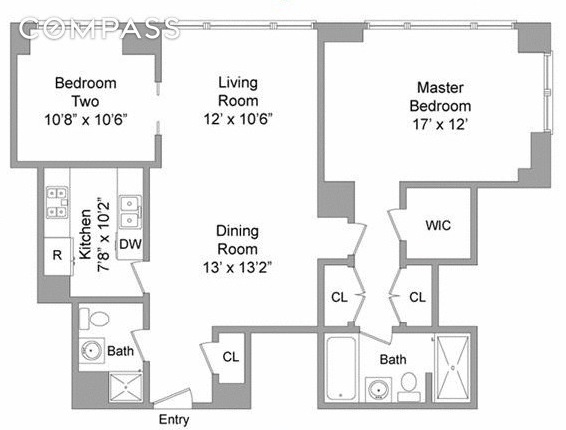
Image Source: wp.zillowstatic.com
Legal Occupancy Limits Apartment
Decoding Apartment Occupancy Laws
Apartment occupancy laws are designed to prevent overcrowding in apartments. These laws are usually set at the state or local level. They consider factors like square footage, bedroom count, and sanitation requirements. The goal is to ensure a healthy and safe living environment for all residents.
Many cities and states follow the Housing and Urban Development (HUD) guidelines, which often use the “two persons per bedroom” standard. However, this isn’t a hard-and-fast rule. Local codes can be more strict or lenient, depending on various considerations.
Where to Find the Information
- Local Housing Authorities: Check with your city or county’s housing authority. They enforce housing codes and can provide specific occupancy limits.
- Building Codes: Review the local building codes. These codes often include regulations about square footage per person.
- Lease Agreements: Your lease agreement should specify the maximum number of occupants allowed in the apartment. This clause should comply with local occupancy laws.
Fathoming the “Two Persons Per Bedroom” Rule
The “two persons per bedroom” rule is a common guideline, but it’s not always the final word. Several factors can affect its application:
- Square Footage: If a bedroom is very small, even two people might violate overcrowding standards based on square footage requirements.
- Family Status: Some laws make exceptions for families with children. For instance, a family with three children might be allowed in a two-bedroom apartment, even if it exceeds the “two persons per bedroom” rule.
- State and Local Laws: States and localities have their own rules and statutes related to occupancy.
Navigating Overcrowding in Apartments
Overcrowding in apartments can lead to various problems:
- Health Issues: Overcrowded conditions can increase the risk of spreading infectious diseases.
- Safety Concerns: Overcrowding can strain building systems like plumbing and electrical, increasing the risk of fires and other hazards.
- Quality of Life: Overcrowding can lead to noise complaints, disputes between tenants, and a general decline in living conditions.
Safe Occupancy Standards
Defining Safe Occupancy Standards
Safe occupancy standards go beyond just the legal limits. They take into account the overall health, safety, and well-being of the residents.
Several factors play a role in determining safe occupancy standards:
- Fire Safety: Fire codes dictate the number of people who can safely exit a building in case of a fire. Overcrowding can impede evacuation efforts.
- Sanitation: Adequate sanitation is crucial to prevent the spread of diseases. Overcrowding can strain plumbing systems and make it difficult to maintain cleanliness.
- Ventilation: Proper ventilation is necessary to maintain air quality. Overcrowding can lead to poor ventilation and increase the risk of respiratory problems.
Quantifying Sustainable Living Space Per Person
- Minimum Square Footage: Building codes often specify a minimum square footage per person. This ensures that each occupant has enough living space.
- Room Dimensions: Room dimensions can affect the usability of space. A long, narrow room might feel more cramped than a square room with the same square footage.
- Storage: Adequate storage space is essential to prevent clutter and maintain a comfortable living environment.
- Natural Light: Sufficient natural light can improve mood and reduce the need for artificial lighting.
Impact of 2 Bedroom Apartment Size and Occupancy
The size of a 2-bedroom apartment significantly affects how many people can comfortably and safely live there.
| Apartment Size (Square Feet) | Potential Occupancy (Assuming 2 People Per Bedroom) | Potential Issues if Overcrowded |
|---|---|---|
| 700 sq ft | 4 | Limited personal space, potential for disputes |
| 900 sq ft | 4 | More comfortable, but still requires careful space management |
| 1100 sq ft | 4 | Ample living space, better for families or roommates |
Space Allocation: Deciding Living Space
Consider how the space is allocated:
- Living Room: Is there enough space for everyone to relax and socialize?
- Bedrooms: Are the bedrooms large enough to comfortably accommodate two people and their belongings?
- Kitchen: Is the kitchen adequate for preparing meals for multiple people?
- Bathrooms: Are there enough bathrooms to comfortably accommodate all residents?
Interpreting 2 Bedroom Apartment Occupancy
Factors Affecting Occupancy Limits
Many factors can influence how many people can live in a 2-bedroom apartment:
- Local Laws: As mentioned before, local laws are the primary determinant of occupancy limits.
- Lease Agreements: Landlords can set stricter occupancy limits than local laws, as long as they don’t violate fair housing laws.
- Building Codes: Building codes specify minimum square footage per person and other safety requirements.
- HOA Rules: If the apartment is in a homeowner’s association (HOA), the HOA might have its own occupancy rules.
Examining Average Occupants 2 Bedroom Apartment
While legal limits exist, what is the average? It depends on location, economic factors, and demographics.
- Urban Areas: Densely populated urban areas often see higher occupancy rates due to high housing costs.
- Suburban Areas: Suburban areas typically have lower occupancy rates, as housing is more affordable.
- Economic Factors: During economic downturns, more people may share apartments to save money.
Case Studies on 2 Bedroom Apartment Occupancy
- New York City: NYC has specific regulations based on square footage, emphasizing minimum space requirements.
- Los Angeles: LA has overcrowding laws addressing sanitation and safety issues.
- Chicago: Chicago focuses on the number of people in relation to the size of the dwelling.
Potential Problems of Exceeding Occupancy Limits
Exceeding occupancy limits can lead to various issues:
- Legal Penalties: Landlords can face fines or other penalties for violating occupancy laws. Tenants can be evicted.
- Lease Violations: Exceeding occupancy limits violates the lease agreement, giving the landlord grounds for eviction.
- Safety Risks: Overcrowding can create safety risks, such as increased fire hazards and sanitation problems.
- Insurance Issues: Insurance companies may deny claims if overcrowding contributed to the damage.
Grasping Legal and Practical Considerations
Rights and Responsibilities of Tenants
Tenants have rights and responsibilities related to occupancy limits:
- Right to a Safe Living Environment: Tenants have the right to a safe and habitable living environment, which includes protection from overcrowding.
- Responsibility to Comply with Laws: Tenants must comply with occupancy laws and lease agreements.
- Responsibility to Report Issues: Tenants should report overcrowding or other housing violations to the landlord or local authorities.
Role of Landlords in Enforcing Occupancy Limits
Landlords have a crucial role in enforcing occupancy limits:
- Setting Occupancy Limits in Leases: Landlords should clearly state occupancy limits in the lease agreement.
- Monitoring Occupancy: Landlords should monitor occupancy to ensure compliance with laws and lease agreements.
- Taking Action Against Violations: Landlords should take action against tenants who violate occupancy limits, such as issuing warnings or initiating eviction proceedings.
Impact of Maximum Occupancy for 2 Bedroom on Rental Rates
Occupancy limits can affect rental rates:
- High Demand: In areas with high demand, landlords may charge higher rents for apartments that can legally accommodate more people.
- Low Demand: In areas with low demand, landlords may be more flexible with occupancy limits to attract tenants.
Alternative Housing Solutions
If a 2-bedroom apartment is not sufficient for your needs, consider alternative housing options:
- Larger Apartments: Consider renting a larger apartment with more bedrooms.
- Townhouses or Houses: Townhouses or houses offer more space and privacy.
- Co-living: Co-living arrangements can be a more affordable option for single individuals.
FAQ:
Q: What is the general rule for how many people can live in a 2-bedroom apartment?
A: While the “two persons per bedroom” rule is common, the legal limit depends on local laws, building codes, and the lease agreement. Always check your local housing authority.
Q: Can I have more than two people per bedroom in my apartment?
A: Possibly. Some laws allow exceptions for families with children, but it depends on square footage, local regulations, and the landlord’s policies outlined in the lease.
Q: Who is responsible for enforcing occupancy limits?
A: Both landlords and local housing authorities are responsible for enforcing occupancy limits. Landlords must include occupancy limits in the lease and monitor compliance.
Q: What are the consequences of exceeding occupancy limits?
A: Consequences can include lease violations, eviction, fines for the landlord, and increased safety risks such as fire hazards and sanitation problems.
Q: Can a landlord discriminate based on family size?
A: Fair housing laws protect families from discrimination. However, reasonable occupancy limits that comply with local laws are generally permissible.
Q: What is “reasonable accommodation” in relation to occupancy limits?
A: Reasonable accommodation is a modification or exception to a policy or rule that allows a person with a disability to have equal access to housing. This might include an exception to occupancy limits if a tenant needs a live-in caregiver.
Q: How do I find out the legal occupancy limit for my apartment?
A: Check your lease agreement, contact your local housing authority, or review local building codes.
Q: What should I do if my landlord is violating occupancy laws?
A: Contact your local housing authority or a legal aid organization.
Q: What is the minimum square footage required per person in an apartment?
A: It varies by locality. Check your local building codes for specific requirements.
Q: Is overcrowding in apartments a problem in the US?
A: Yes, overcrowding is a problem in many cities, especially in areas with high housing costs and limited availability.
Q: How does overcrowding affect property values?
A: Overcrowding can negatively affect property values by decreasing the desirability of a neighborhood and increasing the strain on local resources.
By considering these legal and practical factors, tenants and landlords can ensure safe and compliant living environments.

Hi, I’m Florence Disha, the creator behind HomesMend.com. With a passion for making every house a home, I share my personal experiences, tips, and expertise to help you transform your living spaces. Whether it’s practical advice, creative ideas, or tried-and-true solutions, my goal is to inspire and guide you in creating a home that feels just right. Let’s make every corner of your space truly yours!