The answer to how many people can live in a 1 bedroom apartment is complex. It depends on local laws and what feels safe and comfortable. While there isn’t one set number, understanding legal guidelines and safety considerations is crucial. Let’s delve deeper.
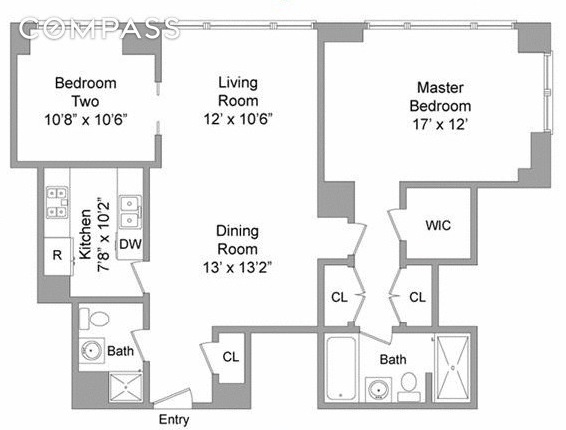
Image Source: wp.zillowstatic.com
Delving into Legal Occupancy Limits for a 1 Bedroom
Legal occupancy limits for a 1 bedroom apartment are set by state and local housing laws. These laws aim to protect the health and safety of residents. Knowing these laws helps you avoid trouble with your landlord or the authorities.
The “Two-Plus-One” Rule: A Common Guideline
A general guideline often followed is the “two-plus-one” rule. This rule suggests that a landlord can legally allow two people per bedroom, plus one additional person for the entire unit. So, for a 1 bedroom apartment, this would mean a maximum of three occupants. However, this is not a universal law and varies.
Why Occupancy Limits Exist
Occupancy limits exist for several reasons:
- Fire Safety: Too many people in a small space can make it harder to escape during a fire.
- Health and Sanitation: Overcrowding can lead to unsanitary living conditions and spread diseases.
- Building Codes: Buildings are designed to handle a certain amount of weight and usage. Overcrowding can strain the building’s infrastructure.
- Parking: Many areas have limited parking spaces. Overcrowding can lead to parking problems.
How to Find Local Occupancy Laws
- Check Your Lease: Your lease agreement may specify the maximum number of occupants allowed.
- Contact Your Landlord: Your landlord should know the local occupancy laws and be able to inform you.
- Visit Your Local Housing Authority: Your local housing authority is the best resource for accurate and up-to-date information on occupancy laws in your area.
- Search Online: Search online for “[your city/county/state] occupancy laws” to find relevant information.
Safety Factors: More Than Just the Law
Even if you’re within the legal occupancy limits, safety should always be a top concern.
Fire Hazards in Overcrowded Spaces
More people mean more potential fire hazards:
- Increased use of appliances.
- More flammable materials.
- Blocked exits due to clutter.
Make sure your apartment has working smoke detectors and carbon monoxide detectors. Have a fire escape plan and practice it regularly.
Impact on Utilities: Water, Electricity, and Waste
Overcrowding can strain your apartment’s utilities. You may experience:
- Higher utility bills.
- Water shortages.
- Plumbing issues.
- Excessive trash accumulation.
Being mindful of your usage and conserving resources can help mitigate these problems.
Health Concerns in Overcrowded Environments
Overcrowding can also negatively impact your health:
- Increased risk of spreading illnesses.
- Stress and anxiety due to lack of privacy.
- Poor air quality.
Ensure good ventilation and cleanliness to maintain a healthy living environment.
Is a 1 Bedroom Apartment Enough? Examining Comfortable Living
Beyond legal and safety aspects, think about the comfort and well-being of everyone living in the apartment. What is the ideal number of occupants in a 1 bedroom apartment?
Space and Privacy: Key Elements of Comfortable Living
- Space: Is there enough physical space for everyone to move around comfortably?
- Privacy: Can each person have some personal space and privacy?
- Storage: Is there enough storage space for everyone’s belongings?
- Shared Areas: Are the shared areas, like the living room and kitchen, large enough for everyone to use comfortably?
1 Bedroom Apartment for Couples: A Common Scenario
A 1 bedroom apartment is often suitable for couples. However, communication and compromise are crucial:
- Shared Responsibilities: Divide household chores and responsibilities fairly.
- Respectful Communication: Talk openly and honestly about your needs and concerns.
- Personal Space: Create designated personal spaces within the apartment.
1 Bedroom Apartment Sharing: Navigating Roommate Situations
Sharing a 1 bedroom apartment with a roommate can be challenging but also a good way to save money.
- Establish Clear Expectations: Discuss and agree on rules regarding cleanliness, noise levels, guests, and finances.
- Create a Schedule: Develop a schedule for using shared spaces, like the bathroom and kitchen.
- Communication is Key: Address any issues or conflicts promptly and respectfully.
Table: Occupancy Considerations
| Factor | 1 Person | 2 People (Couple) | 2 People (Roommates) | 3 People |
|---|---|---|---|---|
| Space | Ample | Adequate | Possibly Cramped | Likely Cramped |
| Privacy | Excellent | Adequate | Limited | Very Limited |
| Cost Savings | N/A | Moderate | High | High |
| Potential Issues | Loneliness | Relationship Issues | Roommate Conflicts | Overcrowding |
Average People Per 1 Bedroom Apartment: What the Data Says
While legal and safety aspects are crucial, understanding the average can also be helpful. It’s difficult to pinpoint an exact “average,” as it varies by location and demographics.
Trends in 1 Bedroom Apartment Occupancy
- Urban Areas: Higher occupancy rates are common in densely populated urban areas due to higher rent costs.
- Affordable Housing: Affordable housing units may have higher occupancy rates due to financial constraints.
- Student Housing: 1 bedroom apartments near universities often house multiple students to share expenses.
Impact of Demographics on Occupancy Rates
- Family Size: Families with children may be more likely to overcrowd apartments due to limited housing options.
- Income Levels: Lower-income individuals and families may be forced to share smaller spaces to afford housing.
- Cultural Norms: Cultural norms regarding family size and living arrangements can also influence occupancy rates.
1 Bedroom Apartment Capacity: Maximizing Space and Minimizing Stress
Maximizing space in a 1 bedroom apartment is key to making it feel comfortable, regardless of the number of occupants.
Storage Solutions for Small Spaces
- Vertical Storage: Utilize shelves, cabinets, and wall-mounted organizers to maximize vertical space.
- Multifunctional Furniture: Invest in furniture that serves multiple purposes, such as sofa beds, storage ottomans, and foldable tables.
- Under-Bed Storage: Use under-bed storage containers to store clothes, linens, and other items.
- Declutter Regularly: Get rid of items you no longer need or use to free up space.
Tips for Maintaining a Tidy and Organized Apartment
- Establish a Routine: Create a daily or weekly cleaning schedule to keep your apartment tidy.
- Put Things Away Immediately: Develop the habit of putting things away immediately after using them.
- Designate a Place for Everything: Assign a specific place for each item in your apartment.
- Involve Everyone: If you’re sharing the apartment, involve everyone in maintaining cleanliness and organization.
Balancing Personal Space with Shared Living Areas
- Designate Personal Zones: Create designated personal zones for each occupant, such as a specific corner of the living room or a side of the bed.
- Use Room Dividers: Use room dividers, curtains, or screens to create privacy within shared spaces.
- Establish Quiet Hours: Set specific quiet hours to allow everyone to relax and unwind without disturbance.
- Communicate Needs: Openly communicate your needs and preferences regarding personal space and shared living areas.
Roommate situation 1 bedroom: Legal Complications to Consider
Even with agreements in place, unexpected situations can arise.
Potential Consequences of Violating Occupancy Laws
- Eviction: Your landlord may evict you for violating occupancy laws.
- Fines: You may be subject to fines from the local housing authority.
- Legal Action: Your landlord may take legal action against you to enforce occupancy laws.
How to Resolve Disputes with Landlords or Roommates
- Communicate Openly: Talk to your landlord or roommate about the issue and try to find a resolution together.
- Review Your Lease: Refer to your lease agreement to see if it addresses the issue.
- Seek Mediation: Consider seeking mediation services from a neutral third party.
- Consult with an Attorney: If all else fails, consult with an attorney to understand your legal rights and options.
Deciphering Factors Influencing Occupancy Comfort: The Individual Perspective
Beyond the numbers and laws, personal preferences heavily influence what makes a 1 bedroom apartment comfortable.
Lifestyle Considerations
- Work Style: Do you work from home and need a dedicated workspace?
- Social Life: Do you entertain guests frequently?
- Hobbies: Do you have hobbies that require a lot of space?
Personal Preferences
- Introvert vs. Extrovert: Introverts may need more personal space than extroverts.
- Tidiness: Some people are more comfortable with clutter than others.
- Noise Tolerance: Some people are more sensitive to noise than others.
Budgetary Constraints
- Rent Affordability: Can you afford the rent on your own, or do you need roommates to share the cost?
- Utility Costs: Can you afford the higher utility bills that come with more occupants?
- Overall Financial Stability: Are you financially stable enough to handle the potential challenges of sharing a small space?
FAQ: Addressing Common Concerns About 1 Bedroom Apartment Occupancy
Q: What is the maximum occupancy 1 bedroom apartment in my area?
A: Check your local housing authority’s website or contact them directly. Occupancy laws vary by location.
Q: Can I have a baby in my 1 bedroom apartment?
A: Legally, yes. Children are considered occupants, but it’s unlikely a landlord can deny you housing solely based on having a child, as that could be considered discrimination. However, the total number of occupants, including the child, must still comply with local occupancy laws.
Q: What are the consequences of exceeding the legal occupancy limit?
A: You could face eviction, fines, and legal action from your landlord or local authorities.
Q: Is it legal for my landlord to enter my apartment to check occupancy?
A: Landlords typically need to provide notice before entering your apartment, except in emergencies. Check your lease agreement and local laws regarding landlord access.
Q: What is a “reasonable” amount of noise in a shared apartment?
A: This is subjective and depends on your roommate agreement and local noise ordinances. Open communication and compromise are essential.
By carefully considering legal occupancy limits, safety concerns, and personal preferences, you can make informed decisions about how many people can comfortably and legally live in a 1 bedroom apartment.

Hi, I’m Florence Disha, the creator behind HomesMend.com. With a passion for making every house a home, I share my personal experiences, tips, and expertise to help you transform your living spaces. Whether it’s practical advice, creative ideas, or tried-and-true solutions, my goal is to inspire and guide you in creating a home that feels just right. Let’s make every corner of your space truly yours!