Can you change a bedroom door yourself? Yes, you can! This guide will walk you through the process of bedroom door replacement and interior door installation, from removing the old door to installing a new one, whether it’s a prehung door or just the door slab. We’ll cover everything, including door frame repair, door hinge replacement, door handle installation, and even door jamb replacement. This is your comprehensive guide to bedroom door fitting.
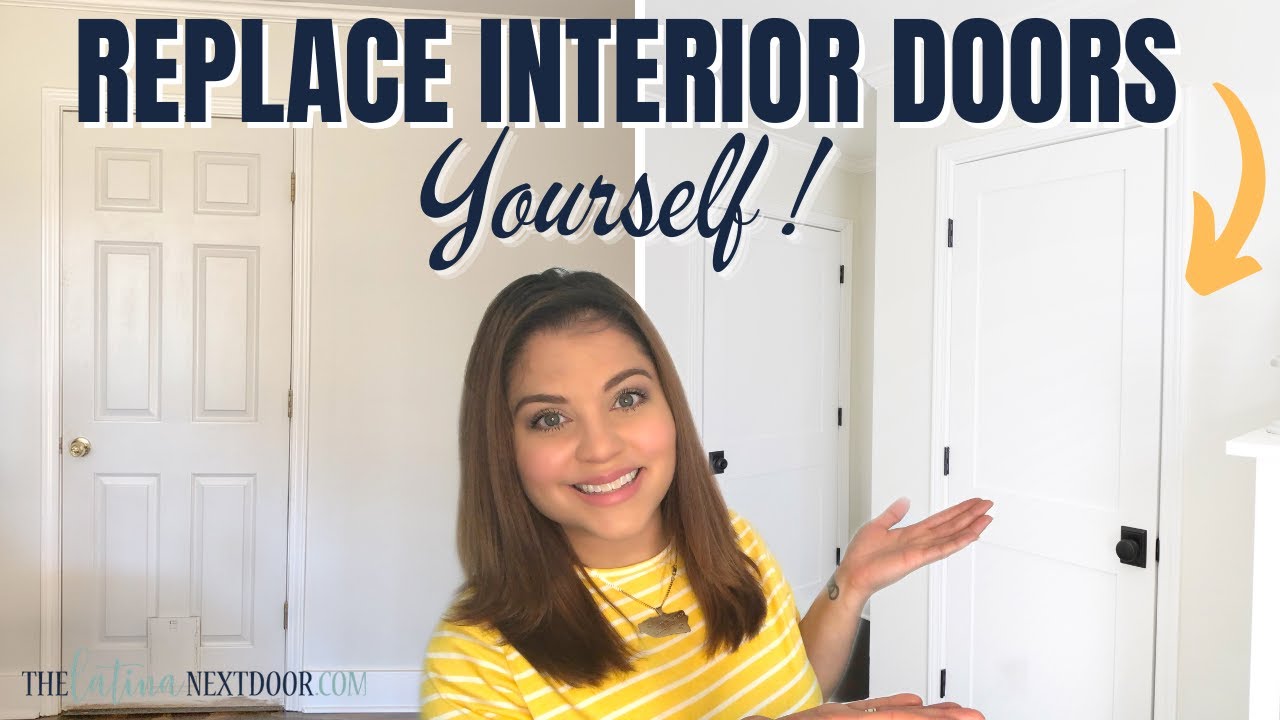
Image Source: i.ytimg.com
Is It Time For A New Bedroom Door?
Before you dive in, let’s make sure a new door is really what you need. Sometimes, a simple fix can save you a lot of work. Here are some reasons why you might consider replacing your bedroom door:
- Damage: Cracks, holes, or warping can make a door unsightly and impact its function.
- Poor Fit: If the door doesn’t close properly or has large gaps, it could be due to a warped frame or door.
- Style Upgrade: Maybe you just want a new look for your bedroom!
- Security: A stronger, more secure door can provide better peace of mind.
- Wear and Tear: Years of use can take a toll on any door, leading to cosmetic and functional problems.
Gathering Your Tools and Materials
Having the right tools makes the job much easier. Here’s what you’ll likely need for replacing interior doors:
- New Door: Choose a pre-hung door or a door slab (depending on your needs).
- Measuring Tape: Accurate measurements are vital.
- Pencil: For marking measurements and cut lines.
- Level: Ensure the door and frame are plumb and level.
- Utility Knife: For scoring paint and caulk.
- Screwdrivers: Both Phillips head and flathead.
- Drill/Driver: For installing screws and hinges.
- Wood Chisel: For fine-tuning hinge mortises.
- Hammer: For tapping the chisel.
- Wood Shims: For adjusting the door frame.
- Safety Glasses: Protect your eyes.
- Gloves: Protect your hands.
- Wood Putty: For filling small holes.
- Paint/Stain: To match the existing trim.
- Paintbrush/Roller: For applying paint or stain.
- Door Handle/Knob: Choose a new one or reuse the old one.
- Hinge Hardware: If replacing hinges.
- Miter Saw or Hand Saw: For trimming shims and possibly door frame.
- Pry Bar: For removing the old door frame (if needed).
- Construction Adhesive: To hold shims in place (optional).
Step-by-Step: Replacing an Existing Door with a Door Slab
This section focuses on replacing just the door itself (the slab), assuming your frame is in good condition. This is often the simpler route for bedroom door replacement.
Step 1: Removing the Old Door
- Protect the Area: Place a drop cloth beneath the door to catch debris.
- Loosen the Hinges: Use a screwdriver to loosen the screws on the top and bottom hinges of the old door. This makes it easier to remove the hinge pins.
- Remove the Hinge Pins: Use a hammer and a nail set (or a screwdriver) to tap the hinge pins upwards from the bottom. Work from the bottom hinge first, then the top, then the middle. Have someone help you support the door as you remove the last pin.
- Set the Old Door Aside: Place the old door in a safe place. You may need it for measurements later.
Step 2: Preparing the New Door Slab
- Compare and Measure: Place the old door slab on top of the new one. Use a pencil to trace the outline of the old door onto the new slab.
- Check Dimensions: Carefully measure the height, width, and thickness of the old door. Transfer these measurements to the new door. Small differences can cause problems.
- Trim the New Door (if needed): If the new door is slightly larger, use a circular saw or hand saw to trim it down to the correct size. Always cut a little less than you think you need, and then fine-tune the fit.
Note: If you are cutting a hollow-core door, use a sharp blade to prevent splintering the edges.
Step 3: Transferring the Hardware
- Mark Hinge Locations: Place the old door slab on top of the new one. Use a pencil to mark the exact locations of the hinges on the new door.
- Create Hinge Mortises: Use a utility knife to score the outline of each hinge on the new door. Then, use a chisel and hammer to carefully remove the wood within the scored lines, creating mortises (recessed areas) for the hinges to sit flush. Take your time and remove small amounts of wood at a time.
- Install Hinges: Align the hinges with the mortises and screw them into place.
- Prepare for the Door Handle/Knob: Measure the distance from the edge of the door to the center of the existing door handle/knob hole on the old door. Transfer this measurement to the new door. Use a drill with a hole saw bit to drill the hole for the door handle/knob. You may also need to drill a smaller hole for the latch mechanism.
Step 4: Hanging the New Door
- Align the Hinges: Carefully align the hinges on the new door with the hinges on the door frame.
- Insert Hinge Pins: Insert the hinge pins, starting with the top hinge. Tap them in gently with a hammer until they are fully seated.
- Test the Door: Open and close the door to check its fit and swing.
- Adjust as Needed: If the door binds or rubs, you may need to adjust the hinges or the door frame. Shimming the hinges can often resolve minor alignment issues.
Step 5: Installing the Door Handle/Knob
- Insert the Latch: Slide the latch mechanism into the hole you drilled for it. Secure it with screws.
- Attach the Door Handle/Knob: Install the door handle/knob according to the manufacturer’s instructions.
- Test the Handle: Make sure the door handle/knob works smoothly and the door latches properly.
Step 6: Finishing Touches
- Fill Holes (if needed): Use wood putty to fill any screw holes or imperfections on the door.
- Sand: Once the putty is dry, sand the door smooth.
- Paint or Stain: Apply paint or stain to match the existing trim.
- Apply Caulk (if needed): Apply caulk around the door frame to seal any gaps.
Step-by-Step: Installing a Prehung Door
A prehung door comes with the door already installed in a new frame. This is often the best choice for interior door installation when the existing frame is damaged or you want to ensure a perfect fit.
Step 1: Removing the Old Door and Frame
- Protect the Area: Place a drop cloth beneath the door to catch debris.
- Remove the Old Door: Remove the old door as described in the previous section (removing hinge pins).
- Remove the Old Trim: Use a utility knife to score the paint or caulk where the trim meets the wall. Then, use a pry bar to carefully remove the trim around the old door frame.
- Remove the Old Frame: Use a pry bar to remove the old door frame. Start by prying the frame away from the wall studs. Work your way around the frame, being careful not to damage the surrounding wall.
- Clean the Opening: Remove any nails, screws, or debris from the opening.
Step 2: Preparing the Opening
- Check for Plumb and Level: Use a level to check that the opening is plumb (vertically straight) and level (horizontally straight).
- Shim as Needed: If the opening is not plumb and level, use wood shims to correct it. Insert the shims between the wall studs and the frame, and then use a level to check your work. Secure the shims with construction adhesive or screws.
Step 3: Installing the Prehung Door
- Position the New Frame: Carefully lift the prehung door into the opening. Make sure the frame is flush with the wall.
- Shim the Frame: Use wood shims to adjust the frame until it is plumb and level. Insert the shims behind the hinge side of the frame, the strike plate side, and at the top of the frame.
- Secure the Frame: Use screws to secure the frame to the wall studs. Drive the screws through the shims and into the studs.
- Check the Door Swing: Open and close the door to check its swing and alignment. Adjust the shims as needed to ensure a smooth, even swing.
Step 4: Finishing Touches
- Trim Shims: Use a utility knife or saw to trim the excess shims flush with the wall.
- Insulate: Fill the gap between the frame and the wall with insulation.
- Install New Trim: Install new trim around the door frame to cover the shims and insulation. Use a nail gun or hammer and nails to secure the trim.
- Caulk: Apply caulk around the trim to seal any gaps.
- Paint or Stain: Paint or stain the trim to match the existing decor.
Door Frame Repair: When Replacement Isn’t Necessary
Sometimes, only part of the door frame is damaged. Here’s a brief overview of door frame repair:
- Rot Repair: Remove the rotted wood and replace it with treated lumber or a wood filler designed for exterior use.
- Crack Repair: Fill cracks with wood filler and sand smooth.
- Loose Jamb Repair: Shim behind the jamb to tighten it and secure with long screws.
- Door Jamb Replacement: If a jamb is severely damaged, you can replace just the jamb instead of the entire frame. Carefully remove the damaged jamb and install a new one, ensuring it’s plumb and level.
Door Hinge Replacement: A Quick Fix
Replacing door hinges is a simple way to address sagging doors or upgrade the hardware’s appearance.
- Remove the Old Hinges: Unscrew the old hinges from both the door and the frame.
- Install the New Hinges: Align the new hinges with the existing mortises and screw them into place. If the screw holes are stripped, use longer screws or wood glue and toothpicks to fill the holes before re-screwing.
- Test the Door: Open and close the door to check its swing and alignment. Adjust the hinges as needed.
Door Handle Installation: Adding the Finishing Touch
Installing a new door handle or knob is usually straightforward.
- Remove the Old Handle: Unscrew the old handle and latch mechanism.
- Install the New Latch: Slide the new latch mechanism into the hole in the door edge. Secure it with screws.
- Install the New Handle: Insert the new handle through the door and attach it to the latch mechanism. Secure it with screws.
- Install the Strike Plate: Align the strike plate (the metal plate on the door frame that the latch engages with) with the latch. Mortise the strike plate into the frame so it sits flush. Secure it with screws.
- Test the Handle: Make sure the handle works smoothly and the door latches properly.
Tips for a Successful Installation
- Take Your Time: Don’t rush the process. Careful measurements and precise cuts are essential for a successful installation.
- Use the Right Tools: Having the right tools will make the job much easier and safer.
- Ask for Help: If you’re not comfortable with any part of the process, ask a friend or family member for help.
- Watch Videos: There are many helpful videos online that can guide you through the process.
- Check Building Codes: Before starting your project, check your local building codes to ensure that you are in compliance.
Deciphering Door Terminology
- Door Slab: The door itself, without hinges or a frame.
- Prehung Door: A door that comes already installed in a frame.
- Door Frame: The surrounding structure that supports the door.
- Door Jamb: The vertical sides of the door frame.
- Hinge: The hardware that allows the door to swing open and closed.
- Mortise: A recessed area cut into the door or frame to accommodate a hinge or strike plate.
- Strike Plate: The metal plate on the door frame that the latch engages with.
- Shim: A thin piece of wood used to adjust the alignment of the door frame.
- Door Handle/Knob: The hardware used to open and close the door.
Troubleshooting Common Problems
- Door Won’t Close Properly: Check the alignment of the door and frame. Shim the hinges or frame as needed. Make sure the latch is properly aligned with the strike plate.
- Door Rubs Against the Frame: Check for warping or misalignment. Sand down the areas where the door is rubbing. Shim the hinges or frame to create more clearance.
- Door is Sagging: Tighten the hinge screws. If the screw holes are stripped, use longer screws or wood glue and toothpicks to fill the holes before re-screwing. You may also need to replace the hinges with heavier-duty hinges.
- Door Handle/Knob is Loose: Tighten the screws on the handle. If the screw holes are stripped, use longer screws or wood glue and toothpicks to fill the holes before re-screwing.
FAQ: Frequently Asked Questions
- How much does it cost to replace a bedroom door?
- The cost varies depending on the type of door, the materials used, and whether you hire a professional or do it yourself. A door slab can cost anywhere from $50 to $300, while a prehung door can cost from $100 to $500 or more. Professional installation can add another $100 to $500 to the cost.
- Can I replace a door myself?
- Yes, with the right tools and instructions, most homeowners can replace a door themselves. However, if you’re not comfortable with any part of the process, it’s best to hire a professional.
- How long does it take to replace a bedroom door?
- Replacing a door slab can take anywhere from 2 to 4 hours. Installing a prehung door can take 4 to 8 hours, depending on your experience and the complexity of the project.
- What is the standard size for a bedroom door?
- The standard width for a bedroom door is 30 or 32 inches, and the standard height is 80 inches. However, door sizes can vary, so it’s important to measure your existing door before purchasing a new one.
- Do I need a permit to replace a bedroom door?
- In most cases, you do not need a permit to replace a bedroom door. However, it’s always a good idea to check with your local building department to be sure.
- What is door jamb replacement?
- Door jamb replacement involves removing and replacing the vertical sides of the door frame. This is typically done when the jambs are damaged due to rot, impact, or warping. A new jamb ensures a secure and properly aligned door installation.
Tackle that bedroom door replacement head-on; it’s a DIY victory waiting to happen. With a steady hand and these straightforward instructions, you’ll transform your sanctuary, boosting both its charm and usability. From a quick slab swap to a complete prehung overhaul, you’re on your way to a cozier, more secure haven. Get ready to swing open a new chapter!

Hi, I’m Florence Disha, the creator behind HomesMend.com. With a passion for making every house a home, I share my personal experiences, tips, and expertise to help you transform your living spaces. Whether it’s practical advice, creative ideas, or tried-and-true solutions, my goal is to inspire and guide you in creating a home that feels just right. Let’s make every corner of your space truly yours!