Lost your key and locked out of your bedroom? Can I unlock my bedroom door without a key? Yes, you often can. Several methods exist, ranging from simple tricks to using specialized tools. However, always consider property rights and legal implications before attempting any of these techniques. This guide provides information for emergency door opening situations where you have the right to access the room.
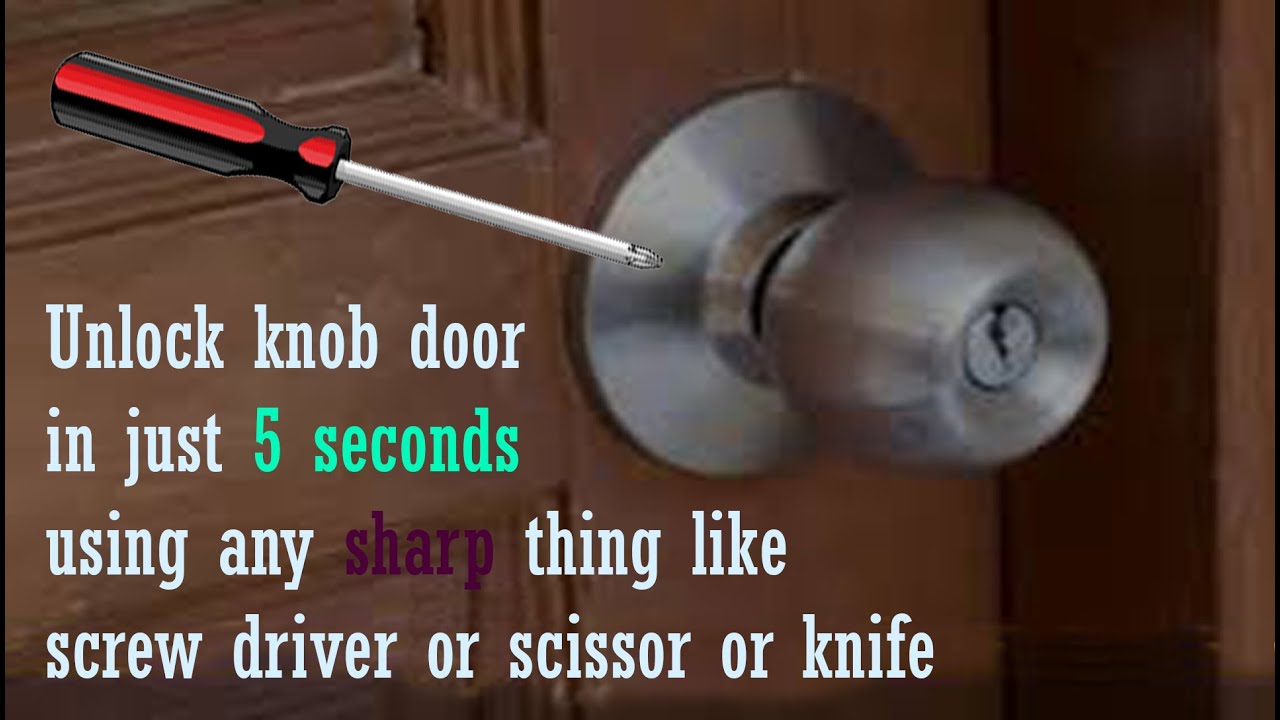
Image Source: i.ytimg.com
Assessing the Situation: What Kind of Lock Are You Dealing With?
Before attempting any bedroom door unlocking method, figure out the type of lock you have. This affects which alternative entry methods will work best.
Types of Bedroom Door Locks
- Privacy Locks: These are the most common type found on bedroom doors. They usually have a small pinhole on the outside for emergency door opening.
- Passage Locks: These locks don’t have a locking mechanism. They simply latch the door closed.
- Deadbolt Locks: More secure than privacy locks, deadbolts require a key to open from either side. Less common on interior bedroom doors.
Why Understanding the Lock Matters
The lock type dictates the appropriate door lock bypass technique. For example, trying to pick a simple privacy lock with advanced lock picking tools is overkill, while trying to use a credit card on a deadbolt is pointless.
Easy Methods for Privacy Lock Defeat
These methods are typically successful on basic privacy locks.
The Paperclip or Wire Hanger Trick
This is often the first method people try.
- Straighten the paperclip: Make it as straight as possible. A wire hanger works too.
- Insert into the pinhole: Gently push the straightened paperclip into the small hole on the doorknob.
- Apply Pressure: You should feel some resistance. Apply steady pressure while slightly turning the doorknob.
- Listen for a Click: A click means the lock has released. Turn the doorknob to open the door.
Why it works: Many privacy locks have a simple button or mechanism that can be depressed through the pinhole.
Credit Card or Plastic Card Method
This technique is effective on doors with beveled latches.
- Find a Sturdy Card: Use an old credit card, library card, or any thin, but firm plastic card.
- Insert the Card: Slide the card between the doorframe and the door, near the latch.
- Angle the Card: Angle the card toward the latch.
- Apply Pressure and Jiggle: Apply pressure while jiggling the door. The goal is to force the latch back into the door.
Why it works: The beveled latch is designed to slide past the strike plate. The card mimics this action. This is a non-destructive entry technique.
Using a Small Screwdriver or Butter Knife
Similar to the paperclip method, these tools can be used to manipulate the locking mechanism through the pinhole or around the door latch.
- Insert the Tool: Carefully insert the screwdriver or butter knife into the pinhole or between the door and frame.
- Manipulate the Latch: Try to push the latch back into the door or depress the locking mechanism.
- Turn the Doorknob: While applying pressure, turn the doorknob to see if the door opens.
Why it works: Like the paperclip, these tools can directly manipulate the locking mechanism of a privacy lock.
More Advanced Techniques: When Simple Methods Fail
If the easy methods don’t work, consider these more advanced, but still relatively simple, techniques.
Shimmying the Latch with a Flexible Tool
This requires a thin, flexible piece of metal or plastic, often called a “shim.”
- Acquire a Shim: You can buy shims online or make one from a thin piece of metal or plastic.
- Insert the Shim: Slide the shim between the door and the frame, targeting the latch.
- Work the Shim: Work the shim down, trying to catch the beveled edge of the latch.
- Push the Latch In: Once the shim catches the latch, push it back into the door.
Why it works: Shims are designed to replicate the action of the strike plate, forcing the latch to retract.
Bumping the Lock (Less Common on Interior Doors)
This technique requires a “bump key,” which is specifically cut to a maximum depth. This is more relevant for exterior doors with pin tumbler locks, and rarely necessary for a bedroom privacy lock defeat.
- Insert the Bump Key: Insert the bump key into the lock as far as it will go.
- Apply Pressure: Gently apply pressure to the key, trying to turn it.
- Tap the Key: While applying pressure, lightly tap the key with a hammer or screwdriver handle.
Why it works: The tapping action causes the pins in the lock to briefly jump, allowing the cylinder to turn.
Important: Bumping can damage the lock and should be used as a last resort. Also, possessing bump keys can raise legal questions in some jurisdictions.
Addressing Jammed Doors: When the Lock Isn’t the Problem
Sometimes, the lock isn’t the problem; the door is simply jammed. Here are some jammed door solutions:
Diagnosing the Jam
Before attempting to force the door, try to figure out why it’s jammed. Common causes include:
- Swollen Door or Frame: Changes in humidity can cause wood to swell.
- Misaligned Latch and Strike Plate: The door may have shifted slightly, preventing the latch from engaging properly.
- Obstructions: Something might be blocking the door from the inside.
Methods for Opening a Jammed Door
- Apply Force (Carefully): Try pushing or pulling the door firmly. Avoid excessive force, which can damage the door or frame.
- Wiggle the Door: Gently wiggle the door while trying to turn the doorknob. This can help realign the latch.
- Lift the Door: If the door is dragging on the floor, try lifting it slightly while turning the doorknob.
- Loosen the Hinges: If the door is misaligned, try tightening or loosening the screws on the hinges.
When to Call a Professional: Avoiding Damage and Legal Issues
While DIY unlocking solutions can be effective, sometimes it’s best to call a professional locksmith.
Situations Requiring Professional Help
- High-Security Locks: Attempting to pick a high-security lock without the proper tools and knowledge can damage the lock and the door.
- Unsuccessful Attempts: If you’ve tried several methods without success, further attempts might cause damage.
- Uncertainty About Property Rights: If you’re not sure whether you have the right to access the room, consult with the property owner or a legal professional.
The Benefits of Hiring a Locksmith
- Expertise: Locksmiths have the knowledge and tools to open almost any lock quickly and efficiently.
- Damage Prevention: A locksmith can open the door without damaging the lock or the door frame.
- Legal Compliance: A locksmith will ensure that the door lock bypass is done legally and ethically.
Preventing Future Lockouts: Simple Precautions
Quick door access is easier to achieve when you take preventative measures.
Key Management
- Make Copies: Have spare keys made and store them in a safe and accessible location.
- Key Hiding: Consider using a lockbox or hiding a key in a discreet location outside the room.
- Digital Locks: Install a digital lock that uses a code or fingerprint for entry.
Door Maintenance
- Regular Lubrication: Lubricate the lock mechanism and hinges regularly to prevent sticking.
- Check Alignment: Periodically check the alignment of the door and the strike plate.
- Address Swelling: If the door swells due to humidity, consider planing it down slightly.
Ethical and Legal Considerations
It’s vital to emphasize the ethical and legal aspects of bedroom door unlocking.
Respecting Property Rights
Before attempting any of these methods, ensure you have the right to access the room. Breaking into someone else’s property is illegal and unethical.
Avoiding Suspicion
If you’re using lock picking tools, be aware that possessing them can raise suspicion in some situations. Only use them when you have a legitimate reason and the right to access the property.
Disclosure
If you successfully unlock a door using these methods, inform the property owner or manager as soon as possible. This transparency can help avoid misunderstandings and legal issues.
Table: Summary of Unlocking Methods
| Method | Lock Type | Difficulty | Effectiveness | Potential Damage |
|---|---|---|---|---|
| Paperclip/Wire Hanger | Privacy Lock | Easy | High | None |
| Credit Card | Privacy Lock | Easy | Medium | None |
| Small Screwdriver/Knife | Privacy Lock | Easy | Medium | Low |
| Shimmying the Latch | Privacy Lock | Medium | Medium | Low |
| Bumping the Lock | Pin Tumbler (Rare) | Medium | Low | Medium |
| Force | Jammed Door | Easy | Variable | High |
| Professional Locksmith | All Types | N/A | High | None |
Frequently Asked Questions (FAQ)
-
What is the easiest way to unlock a bedroom door without a key? The easiest way is usually the paperclip or wire hanger method for privacy locks.
-
Can I use a bobby pin to unlock a door? Yes, a bobby pin can be used similarly to a paperclip on privacy locks.
-
Who is responsible if I damage the door while trying to unlock it? You are responsible for any damage you cause. This is why calling a professional is often the best approach.
-
What are the legal implications of unlocking a door without permission? You could face criminal charges for trespassing or property damage.
-
How can I prevent bedroom door lockouts in the future? Make spare keys, hide a key, or install a digital lock.
Navigate these smart strategies with care, and you’ll significantly boost your odds of gaining entry to a locked bedroom without a key, all while steering clear of costly damage or unwelcome legal entanglements. Prioritize methods that leave the door as you found it; that’s the golden rule of non-destructive entry.

Hi, I’m Florence Disha, the creator behind HomesMend.com. With a passion for making every house a home, I share my personal experiences, tips, and expertise to help you transform your living spaces. Whether it’s practical advice, creative ideas, or tried-and-true solutions, my goal is to inspire and guide you in creating a home that feels just right. Let’s make every corner of your space truly yours!